IFA Index Calculator
Retirement Calculator
Target Date Calculator
Retirement Income
College Planning
T-Statistic Calculator
401(k) Calculator
Net Worth
Net Income
Roth IRA Conversion
Fee Calculator
Multi Funds Calculator

 Risk Capacity
 FinPlan
 Wealth Management
 Retirement Plans
 Institutional
 Financial Calculators ▾
 Open an Account
 Schedule a Meeting
 IFA App
 About Us ▾
 Videos ▾
 Articles
 Charts
 Investor Education ▾
 Index
Index Fund
Fund Resources▾
 Store
Store Galton
 MarketCoins®▾
 Taxes
Taxes Back-testing Disclosures
 Index Descriptions
 Glossary
 Form CRS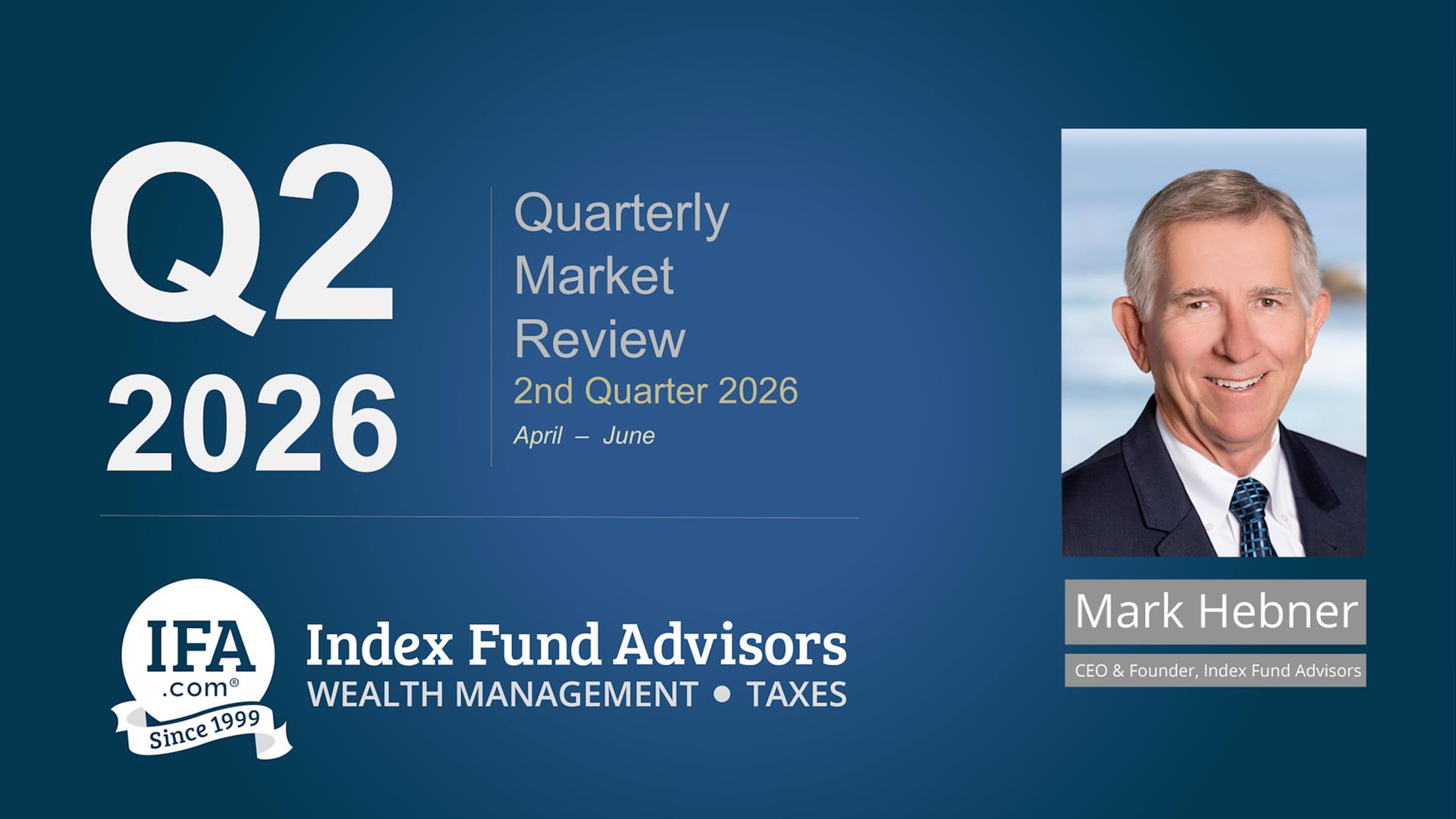
Mark Hebner summarizes the market's performance during the second quarter of 2026 and demonstrates the difficulty in picking the next asset class winner.

Explore how income, consumption, and saving decisions shape your financial future using proven techniques and insights.

Every trading day asks the same question: will markets rise or fall relative to the median? Our analysis of more than 6,600 S&P 500 trading days using a Markov Chain model — methodology available upon request — finds that the odds of tomorrow being “Up” or “Down” have historically hovered

Learn how Trump's 530A accounts compare to 529 plans for saving for kids. Understand the benefits & differences to plan your child’s future wisely.

In January 2026, gold crossed $5,000 an ounce for the first time as investors rushed into the world's oldest form of portfolio protection. That same month, a study of 222 years of market history landed in the Financial Analysts Journal with an uncomfortable conclusion: the defenses investors instinctively reach for

Vanguard's known as a low-cost indexing pioneer. But how has it done as an active manager?

Discover Leibniz’s groundbreaking ideas on subjective probability and how rational belief can be measured under uncertainty.
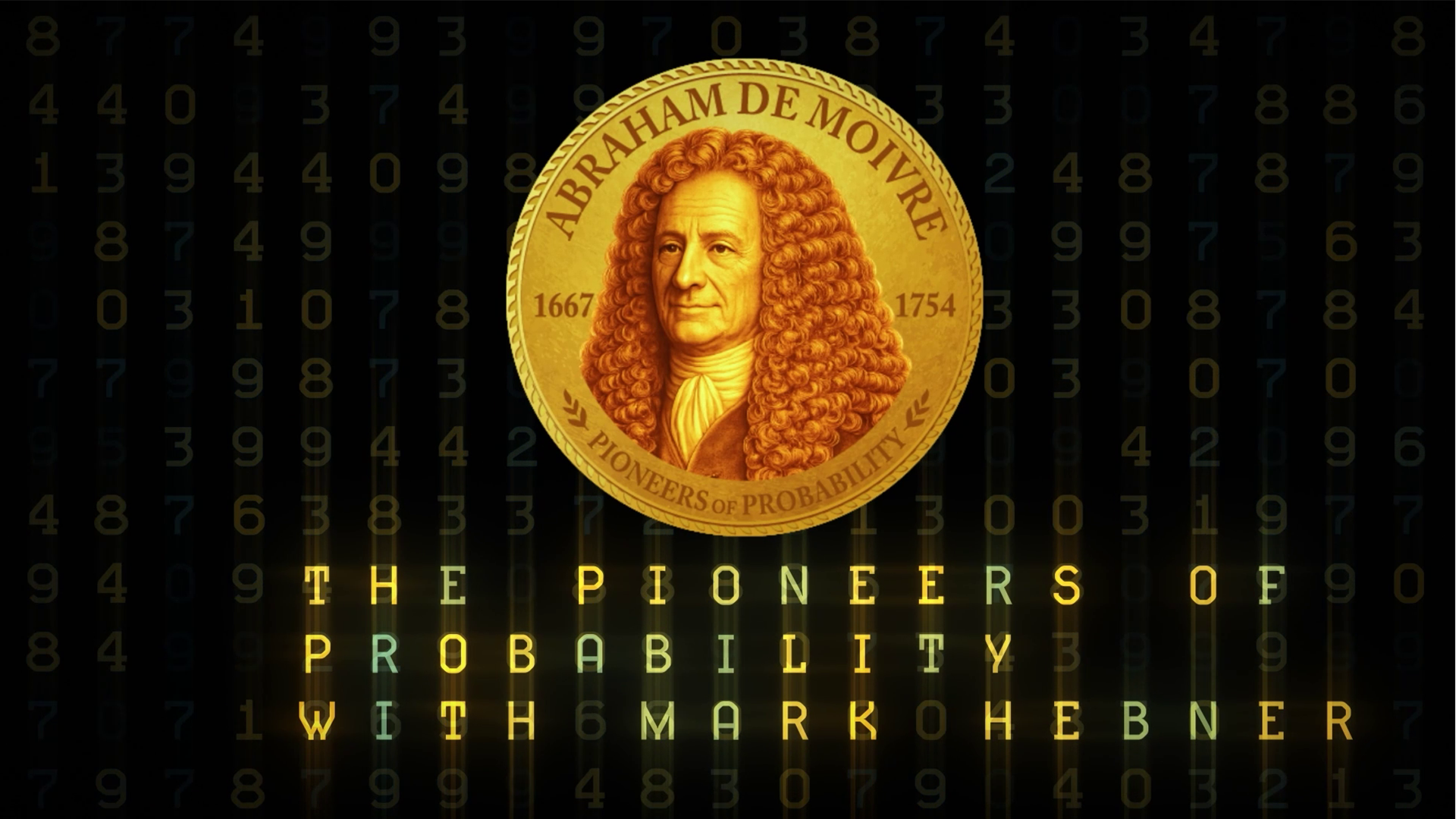
It’s London, 1733. Picture one of the greatest mathematicians of his generation — a personal friend of Isaac Newton.
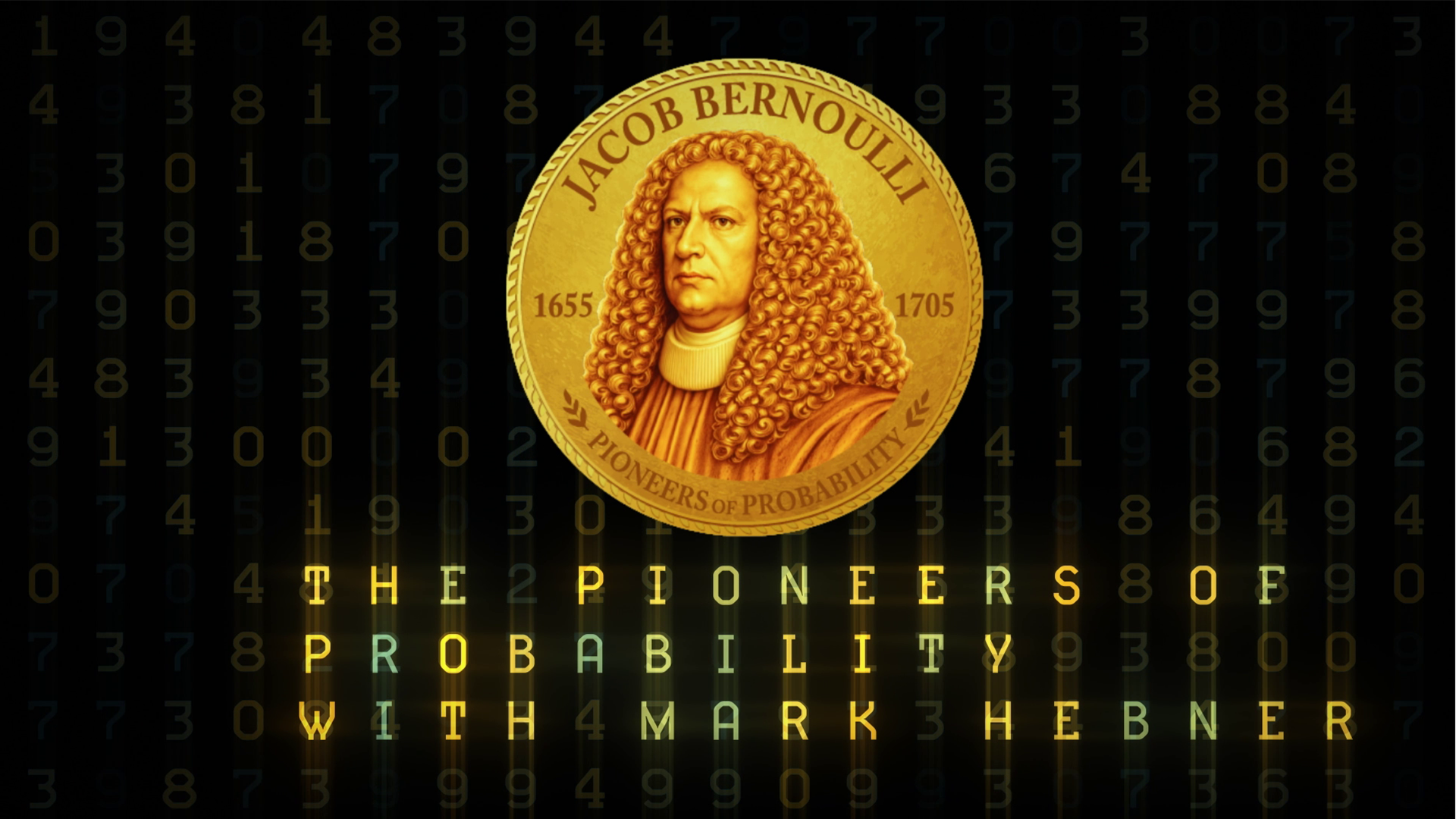
Flip a coin. Heads or tails? You know going in that the odds of heads is one and two.

You already know two things about Gottfried Wilhelm Leibniz, born in Germany in 1646 — even if you don't know you know them.
In Old Babylon, there once lived a very rich man named Arkad. Far and wide, he was famed for his great wealth.

Having a good adviser makes sense not only for financial reasons, but psychological ones as well.


 HomeTaxesAbout Us
 888-643-3133
 Contact Us
 Newsletter Subscribe
 eMoney
 IFA Apps
 Index Funds Book on Kindle
 Index Funds Audiobook
 Careers
 Facebook
 X
X LinkedIn
 InstagramVideos
 YoutubeGlossary
 TermsDisclosuresIndex DescriptionsForm CRS